

The Challenge
Patagonia has built one of the most purpose-driven brands in retail, championing durability, recyclability, and environmental responsibility for decades. In an industry responsible for significant global emissions, it holds a different position: make gear that lasts, treat the planet well, and let the work speak for itself.
That commitment has earned a loyal following. But with several brand stories to tell, from product innovation to ocean conservation to fair labor, the question was not whether the message resonated. It was which version resonated most.
The Solution
Using ViewShift Lift, we ran a randomized controlled trial across four Patagonia ads, each representing a different brand pillar:
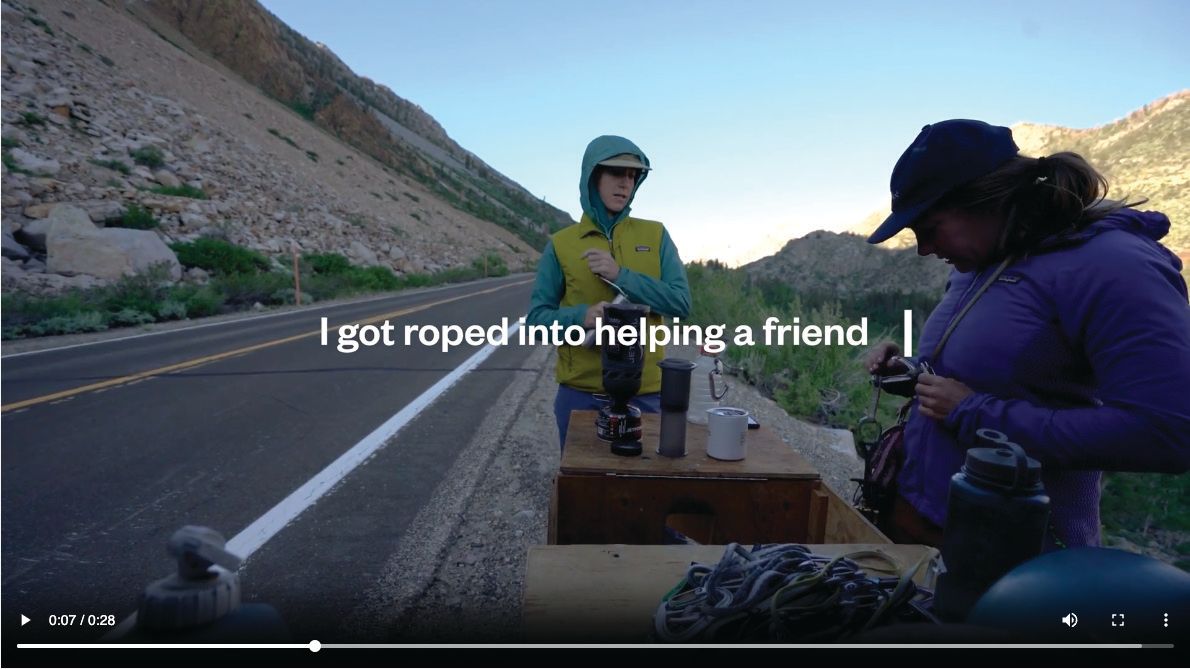
- Escape Responsibility (product): a lightweight, packable jacket.
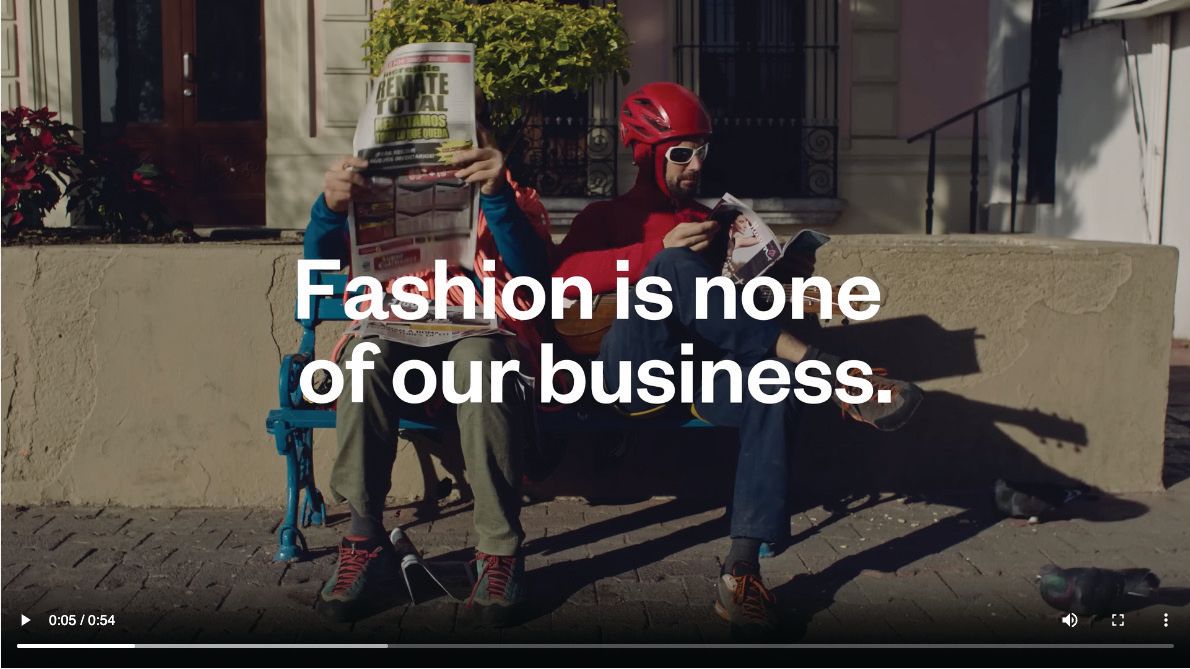
- Unfashionable (brand values): a direct challenge to the fashion industry's waste.
- Kin (community impact): a partnership with coastal families to protect the oceans they depend on.
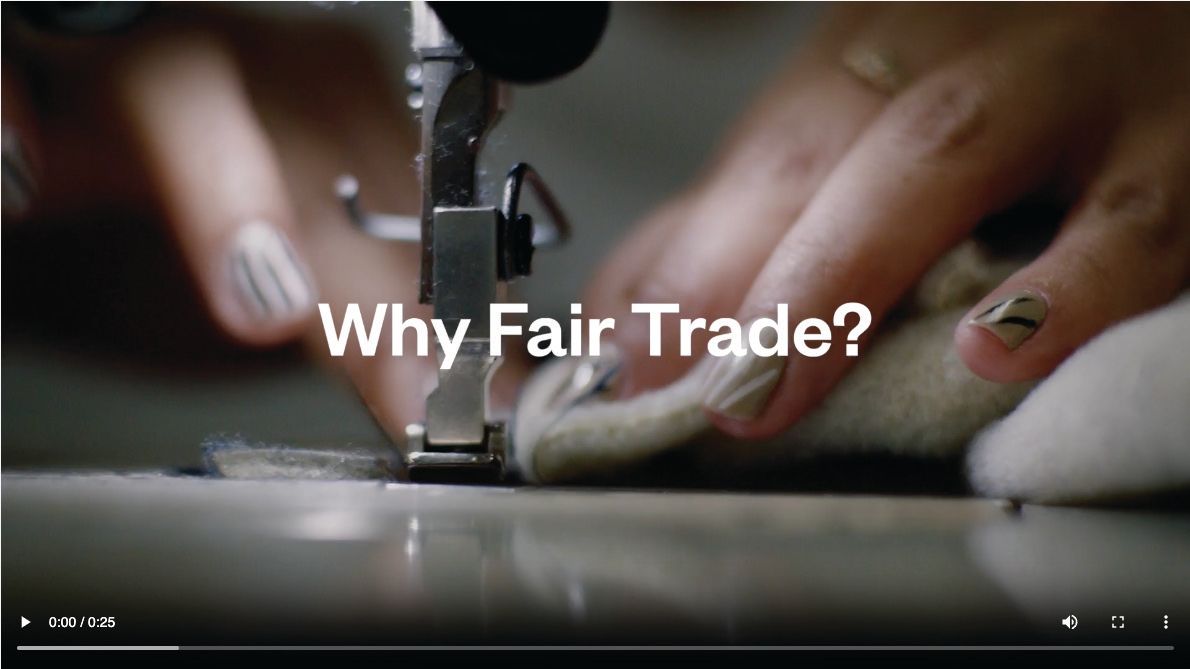
- Fair Trade (labor practices): Patagonia's commitment to fair trade across its supply chain.
Each respondent was randomly assigned to view one ad or a placebo, then answered three questions measuring brand favorability, purchase intent, and brand trust.

The Results
Unfashionable led on every measure.
- Favorability: All four ads increased favorability. Unfashionable produced an 18-point lift from a 42% baseline, the highest of any ad tested.
- Purchase intent: Unfashionable increased likelihood to purchase by 24 points from a 36% baseline. Fair Trade was next at +20.
- Brand trust: Unfashionable increased trust by 19 points from a 41% baseline. Escape Responsibility also performed well at +13.
Among repeat outdoor-equipment buyers, Unfashionable pushed purchase intent to 83%, 23 points above the overall result.
The Takeaway
For Patagonia, the brand-values story outperformed the product story on every measure, including the one closest to the register. For a brand with a credible story about what it stands for, that story was the strongest creative asset in the set.
The broader lesson is about the method, not the message. Four finished ads from the same brand, in the same period, produced purchase intent lifts ranging from 9 to 24 points. The team could not have known which was which without testing all four against a control. No amount of optimizing the product ad would have closed a 15-point gap, because the gap was between concepts, not executions.