
Brand favorability is one of the hardest metrics to move, especially when it's already high. Most campaigns barely nudge it. Some manage a point or two. Very few produce a shift large enough to reshape how consumers think about a company.
SC Johnson did it with a single ad about ocean plastic.
The Strategic Bet
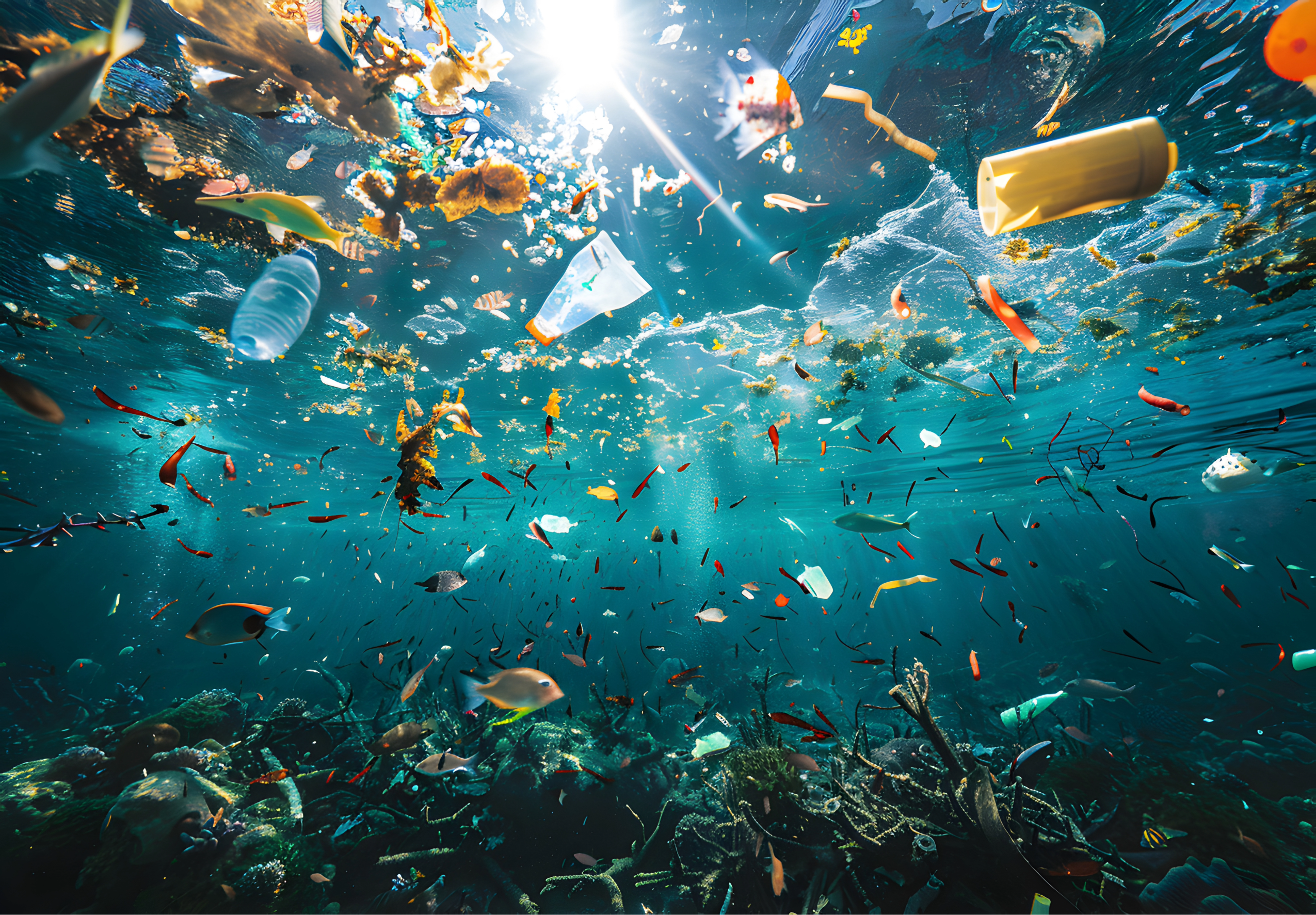
SC Johnson isn't traditionally known as an environmental brand. But Chairman and CEO Fisk Johnson, an avid diver, has made ocean conservation a personal and corporate priority. That commitment led to the "Blue Paradox," a science exhibit designed to educate consumers about ocean plastic waste.
The company produced an ad promoting the exhibit, turning a corporate initiative into a consumer-facing message. The strategic question was whether leaning into environmental leadership could strengthen the brand's relationship with consumers in ways that actually show up in the data.
It's a question that matters far beyond SC Johnson. Every brand investing in purpose-driven messaging needs to know: does this move the metrics, or does it just feel good internally?
How We Tested It
We ran a ViewShift Lift study with 800 respondents, split between the Blue Paradox ad and a placebo message. We measured four outcomes: brand favorability, purchase likelihood, agreement that SC Johnson cares about the environment, and concern about plastic pollution.
Clean experimental design. No post-hoc rationalization. Just the message versus a control, and the data that came back.
The Results
The environmental message moved the needle in places most campaigns can't reach:
- Brand favorability climbed
- Environmental perception shifted
- Concern about plastic pollution rose